PolarUs App
A researched-based app to support quality of life for those living with bipolar disorder.
Overview
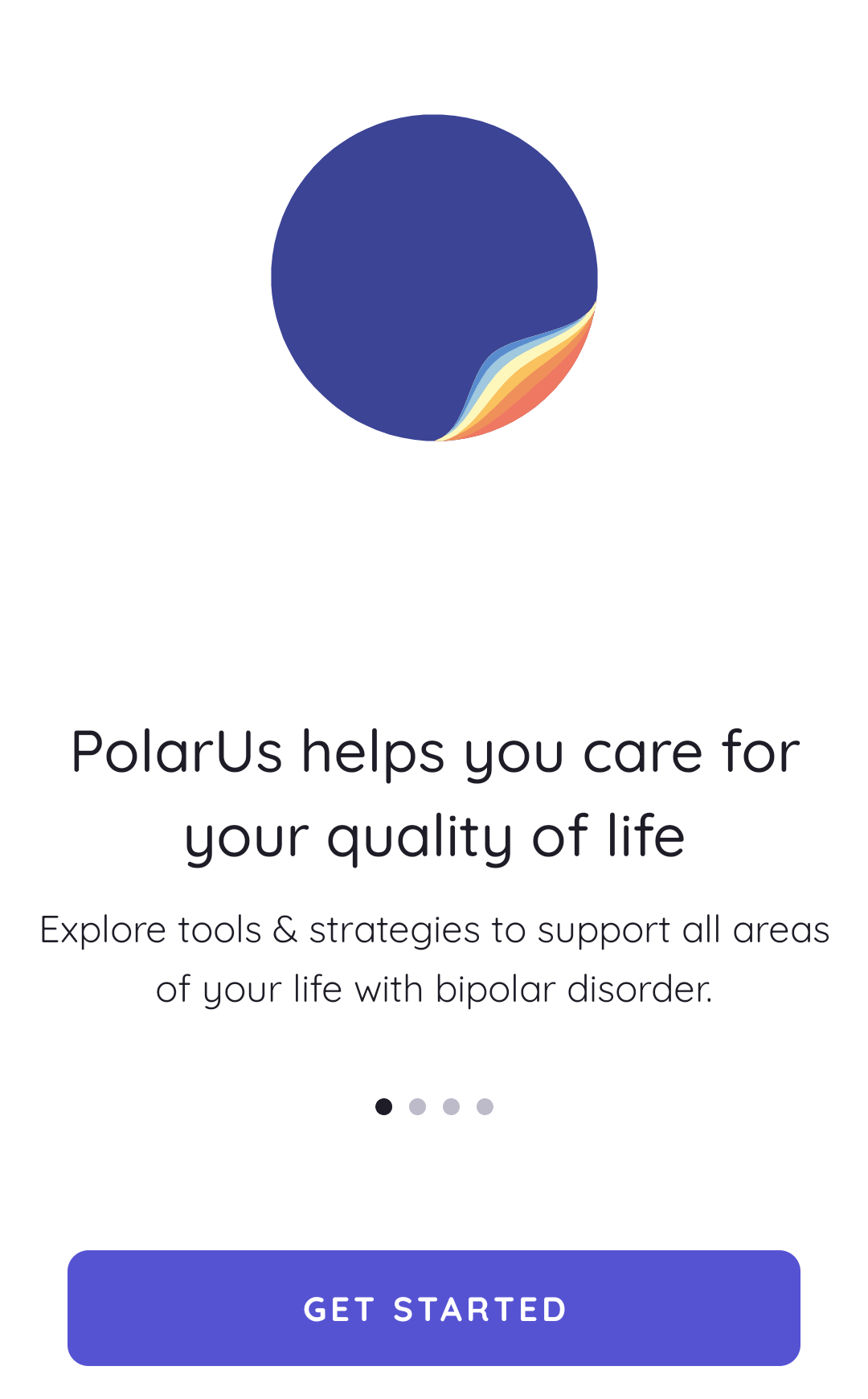
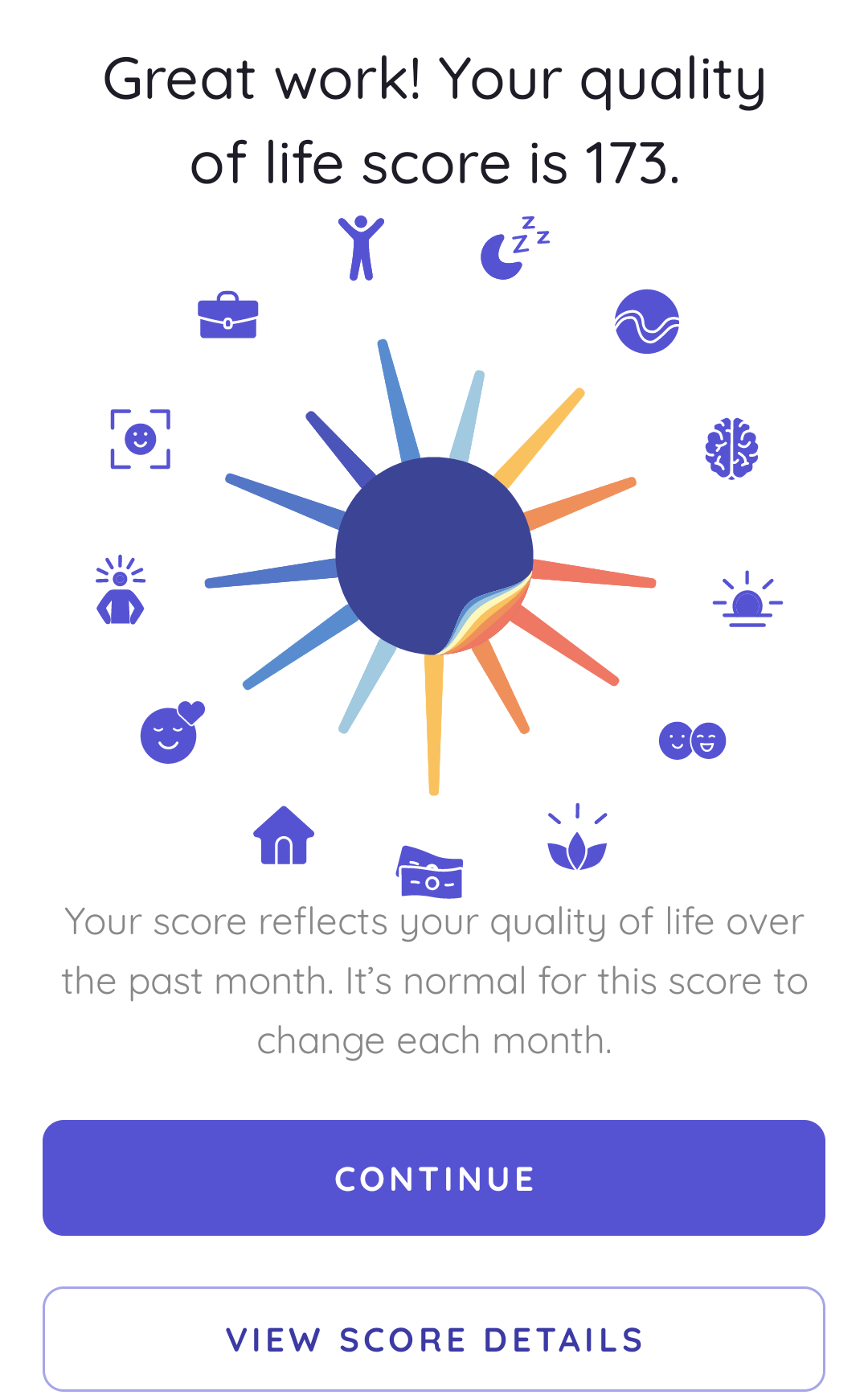
PolarUs is a wellness app designed to improve quality of life for people living with bipolar disorder. Developed by the CREST.BD research network, the app was co-created with researchers, clinicians, designers, and people with lived experience to ensure it was accessible, evidence-based, and user-centered.
Audience
People living with bipolar disorder who want to track their wellness and access strategies to improve quality of life.
User goals
Monitor quality of life in meaningful ways, receive approachable guidance, and build healthy habits with evidence-informed strategies.
App goals
Translate academic research into an engaging, user-friendly tool; create a scalable app that could be studied, improved, and eventually expanded across platforms.
Challenges
Complex information: academic content needed to be broken into approachable, digestible pieces.
Solution: partnered with designers to create short “intros” for each life area, with expandable sections for deeper learning.
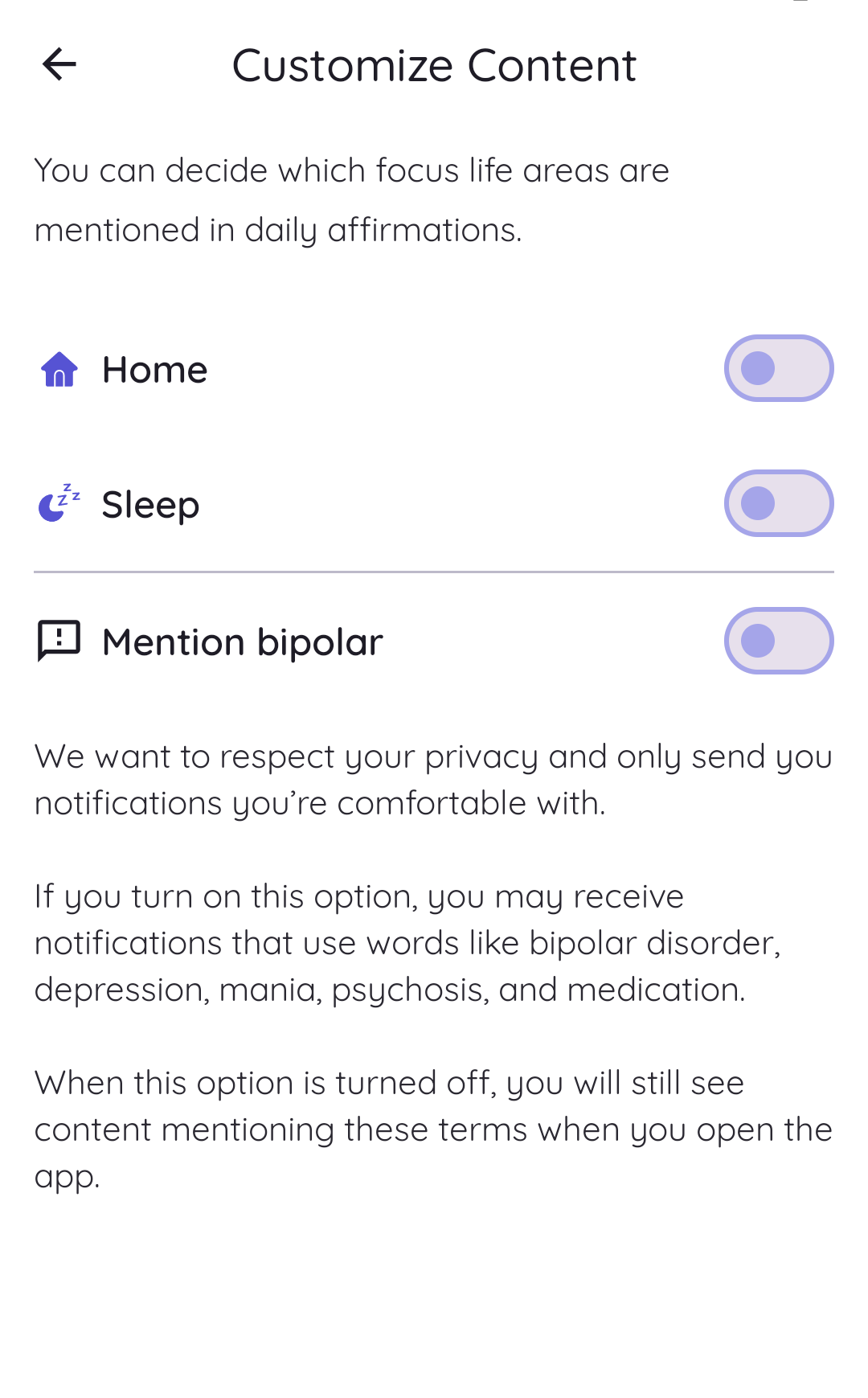
Stigma and privacy: notifications risked using phrasing that exposed private health details.
Solution: built settings that let users manage notifications that use language that could be considered stigmatizing.
Academic tone: content was written in complex, technical language.
Solution: translated and edited content into clear, supportive, and accessible copy for diverse users, including non-native English speakers and people experiencing cognitive challenges.
Process
I joined the project in early development, participating in advisory meetings from spring 2020. By 2021, I began designing in-app copy and copyediting research-heavy content into user-friendly language. I collaborated closely with designers and academic researchers to structure information, simplify life area descriptions, and draft push notifications like daily affirmations.
After content and design reviews with the advisory group (which included people with lived experience of bipolar disorder), we launched an alpha version that was used for a research project. This collaborative feedback loop ensured the app was both research-based and approachable for real-world users.
Results
The alpha study demonstrated strong feasibility and user engagement. Based on its success, the project received new funding from the Canadian Institutes of Health Research and the Daymark Foundation to launch a beta version for iOS and develop an Android release.
